How to start an arrangement (Outlines)
EP. 01
EP. 01
I want to share today how I get started with creating arranging songs. For me this starts with outlines. So that is the topic of conversation.
So what is an outline, why they are beneficial to make, and how do you create and use them.
When we hear songs, they have been arranged and composed by somebody else, and so to put our take on them, I’ve found it helpful to deconstruct the song into it’s bare bones (the sketch) and then put my own arrangement skills and take on top of it.
Similar to if you were going painting a tree from outside, you wouldn’t start with painting a leaf, you would likely sketch out what you wanted to create, what makes the tree that tree. I’ve found it useful to sketch out songs.
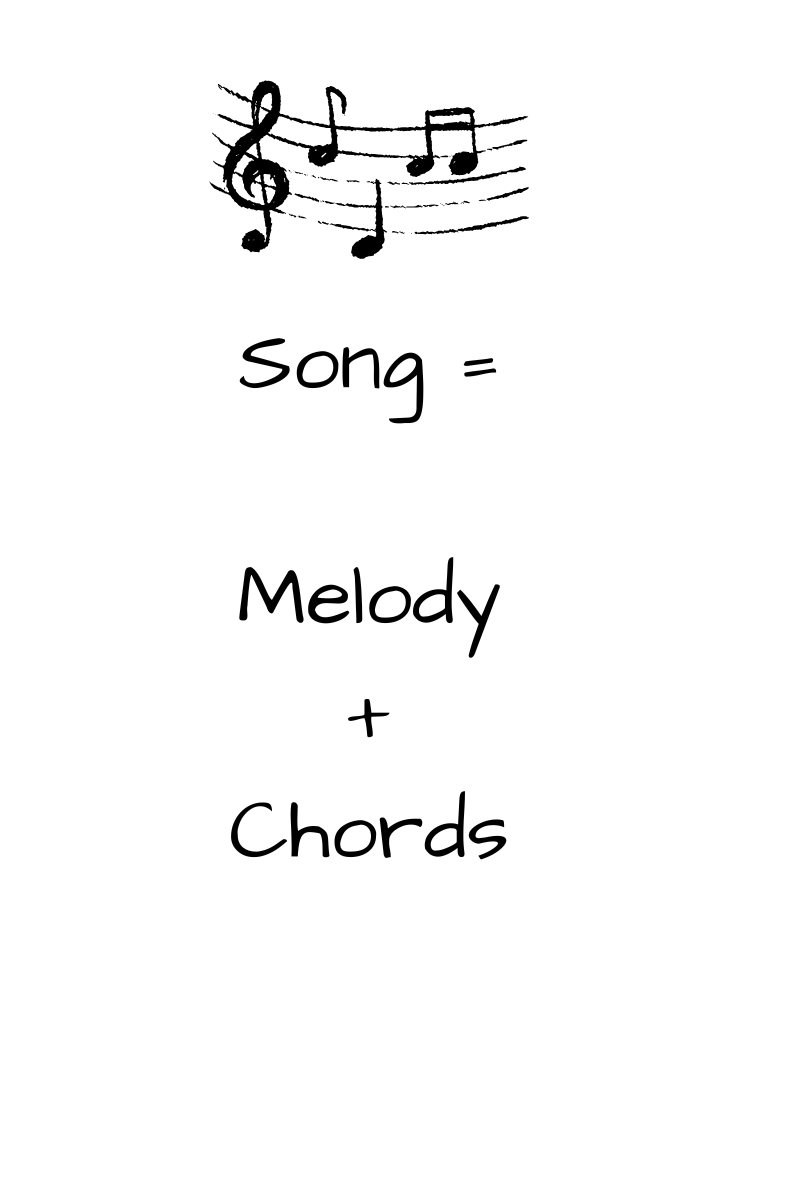
What are the essentials of a song, what do we sketch?. The essential to a song is two things. Melody and chords. If we take Happy Birthday. This has been arranged so many times, but essentially we sing the melody, and if we want to add an extra layer we sketch out the chords for some basic accompaniment.
Whether it’s pop music, metal, country, indie, musical songs, they all have this same essentials that are the essence of the song… melody and chords.
So we need to sketch these out for the song we want to arrange.
So how do I create outlines. I’ve experimented with 3 ways to do this. I’ll share the pro’s and cons of these.
Using other people’s arrangements
Chord sheets
Creating your own sheet music
Using other people’s arrangements
When I started out I bought other people’s sheet music and scribbled out their arrangements of it, so I was left with the Melody and worked out the chords from the bass clef notes.
Example: I used this for “Welcome Home, Son”
If I couldn’t find the sheet music, I used easy piano tutorials on YouTube because they’re usually just have the melody and bass notes which you can then work out the chords.
Example: I used this for “Dynamite” (side note, I also watched the acoustic version of the song on YouTube and worked out some of the bass notes from watching the piano player), in music you have to use everything at your fingertips.
Pro’s of these are…
These are particularly helpful for if you haven’t yet developed your ear. These were the first ones I used because I couldn’t listen to a song and work out the melody or chords just from listening, I needed someone to have done this for me, so that I could develop my arranging chops.
Cons of these are…
You better hope that someone has done this for your chosen song. You’re a bit stuck if no-one has. For example, when I arranged Don’t Give in, there wasn’t really anything here. Also, if you’re using sheet music then it’s going to break the bank and cost you a little money to get this. The tutorial may not be accurate, but it’s probably going to be more accurate than if you used your ears only. If you’re using a piano tutorial, because it’s in real-time you may miss looking at the song in it’s entirety.
If you are using the piano tutorial then you may also like this next one to solve this problem
As I developed my ear a bit and could work out the melody of songs. I used and still use this one.
2. Create chord sheets (with melody written over the lyrics)
What I do now is I will take lyrics copy them to a word document and leave about 2/3 spaces between each line of lyric. Then I’ll google or work out by ear the chords of the song and I will add these in. Next, I’ll transcribe the melody and I’ll write these on top of the corresponding lyric word. It’s also a good idea to add the sections of a song, so is it a verse, chorus, pre chorus, chorus. As some melody notes and chords are repeated which speeds up the time.
I really like this method because following the lyrics I can already feel the rhythm of the song because I usually know the lyrics and how the song goes.
Example: I used this for “Don’t Give In”
An alternative way of doing this which I’ve done before is to create a blank bars chord sheet and then add the melody notes across bars, this is helpful to get the rhythm of the melody nailed down. You’re like creating a short-hand piece of sheet music.
Pro’s…
you’re not reliant on other people working this out for you, as you can do this yourself. It’s quicker than writing out the sheet music. You can have the whole piece on like two sheets of paper. It’s free.
Con’s …
You may need to use your ears to transcribe the melody. You’re reliant on other people’s ear accuracy for chord progessions.
3. Creating your own sheet music.
So you can either write this out on manuscript paper, or alternatively which I want to trial is to record playing the melody notes and chords separately into a DAW and then use the sheet music editor function in the DAW which automatically produces the sheet music.
Pro… It would be quite quick to do,
Con… You need a DAW / Manuscript paper. Requires laptop.
One thing I didn’t mention is knowing what key the song is, as this will help to identify the basic chords for the song and melody by ear. Usually you can google this and it tells you the answer. Or you can listen to the note or chord in the song that sounds the most settled/relaxed / like ‘home’ and then find that note on your instrument.
If you are googling, just watch out for the guitar chord charts because sometimes they put a capo on the guitar and so the chords in the chord sheet is actually a transposed key, not the original key.
Why I go through the effort of creating an outline. Having it written down, means my brain doesn’t have to remember the melody and add arranging stuff on top at the same time. It allows me to experiment with the arrangement. I can see the whole song and where I want to take the mood and story.
Also you can keep it forever, and come back to the outline when you’ve upskilled your arranging skills, or just want to have a personal jam to yourself, you’ve got the structure there you just need to add the flare in the moment.
So there you go, that’s how I start every song I want arrange, I create an outline and from there, I’ll experiment and see where the song and my skills takes me.
If you found this helpful let me know in the comments. I would love to hear if you’ve used any of these outline styles and what you think of them. If you use an alternative method to begin an arrangement I would love to hear about that in the comments too.
Listen to the full episode: